
When protein runs short, you keep eating until the need is met. How much carbohydrate and fat came in along the way makes no difference.
This is called protein leverage.
The lower the protein share, the more you eat
Drop the share of protein in a diet and people eat more food overall to reach the protein they need.
The protein target gets met. Carbohydrate and fat come along for the ride.
| Protein share | Calories needed for the same protein |
|---|---|
| 20% | 2,000 kcal |
| 15% | 2,667 kcal |
| 10% | 4,000 kcal |
The table assumes 100 g of protein a day, which is 400 kcal. Halve the share and you have to eat twice as much.
Most ultra-processed food is low in protein
Chips, bread and drinks sit around 5% protein.
So protein leverage also explains why total intake climbs on a diet heavy in ultra-processed food.
In practice, aim for 25 to 30 g a meal
| Food | Serving | Protein |
|---|---|---|
| Eggs | 2 | 12 g |
| Chicken breast | 100 g | 23 g |
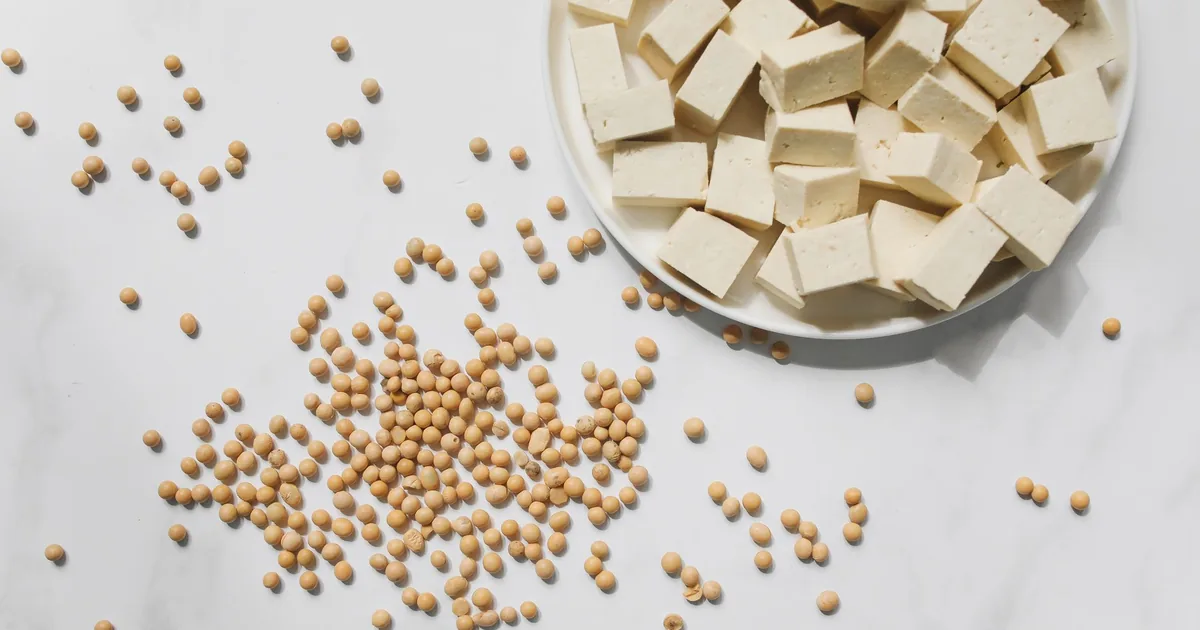
| Tofu | Half a block | 14 g |
| Greek yogurt | 150 g | 15 g |
| Canned tuna | 1 can | 17 g |
Breakfast is the emptiest slot. Most people get under 10 g in the morning and pile it on at dinner. Two eggs at breakfast changes the ratio for the whole day.
More stops helping at some point
Past 1.6 g per kg of body weight, extra protein adds almost nothing to muscle growth. At 70 kg that is 112 g.
Above that, the surplus gets burned for energy or stored.
Think about the day you could not stop eating
If you got through breakfast on bread and coffee and then craved snacks all afternoon, that was not weak willpower.
Breakfast that day was about 5 g of protein.
Sources · Simpson and Raubenheimer protein leverage hypothesis · International Society of Sports Nutrition protein recommendations · Korea's Ministry of Food and Drug Safety food nutrient database