

健康管理9分钟阅读
Wegovy results: 14.9% over 68 weeks
Wegovy averaged 14.9% weight loss over 68 weeks in STEP 1. The side effects people actually report, and what happens after you stop.
为什么瘦不下来,该先改什么
87篇指南
Wegovy averaged 14.9% weight loss over 68 weeks in STEP 1. The side effects people actually report, and what happens after you stop.

Saxenda averaged about 8% weight loss over 56 weeks, the smallest of the three. How the daily injection compares with weekly Wegovy and Mounjaro.

Mounjaro averaged 20.9% weight loss over 72 weeks, the largest reported so far. Why hitting GLP-1 and GIP together changes the numbers.

Saxenda 8%, Wegovy 14.9%, Mounjaro 20.9%. The three drugs side by side, with dosing schedules and the side effects they share.

A 300–500kcal daily deficit takes off 0.3–0.5kg a week. How to work out your BMR, and the floor you should not go below.

Dieting needs 1.2–1.6g of protein per kg of body weight, or 84–112g a day at 70kg. Where to get it, split across meals.

A 16:8 window averages 0.25–0.75kg a week. How to build up from a 12-hour fast over three weeks, and where 5:2 differs.

Ten exercises ranked by calories burned per hour at 70kg, from jump rope at 750–1,000kcal down to weight training at 250–400kcal.

People on 5.5 hours ate 385kcal more a day than those on 8.5, about 1.5kg over a month. Short sleep also carries 55% higher obesity risk.

About 80% of people who start a diet are back at their old weight within a year. The seven mistakes behind it, and what to do instead.
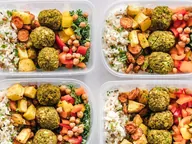
Two or three hours on Sunday covers the week. How to build a 400–500kcal box, and how long each part keeps.

Half a litre of water raises metabolism 10–30% for 30 minutes. Daily need is 30ml per kg of body weight, or 2.1L at 70kg.
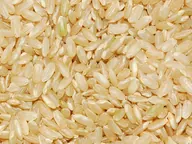
Carbs are not the enemy: 40–50% of total calories works while dieting. Your brain alone runs on about 120g of glucose a day.

Emotional hunger fades within about 20 minutes; physical hunger does not. How to tell them apart, and what sets each one off.

BMR is 60–75% of what you burn in a day. Each kilo of muscle adds 13kcal, and eating under 1,000kcal can drop it by 20–30%.
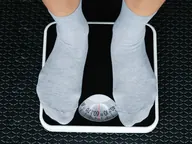
A plateau means two weeks with no change; one week of movement is water. What causes it, and how a refeed day at 30–50% more carbs fits in.

Snacks from a 30kcal cucumber to a 200kcal protein bar, with the times they work best — 3-4pm is peak hunger.

Lifting keeps burning calories for 24–48 hours after the session. Five beginner lifts, and why 2–3 sessions a week is the starting point.

The WHO caps added sugar at 25g a day; most people eat 70–100g. A seven-day order for cutting back, and what replaces the sweetness.

Ten thousand steps burns 300–400kcal, about 1kg a month if you hit it daily. Pace, posture, and interval walking that adds 20–30%.

What puts weight on is the total, not the clock. Stop eating 2–3 hours before bed, and settle hunger with warm milk at about 120kcal.

Men need 25–38g of fiber a day and women 21–25g, but average intake is under 15g. Which foods close the gap fastest.

Switching to a smaller plate cuts intake by about 22% on average, and your hand measures a serving without a scale.

The same 100g of chicken breast is 165kcal boiled and 270kcal fried. Changing how you cook can save 300kcal a day.

A restaurant meal averages 800–1,500kcal. What to order by cuisine, and the dishes that clear 1,000kcal on their own.

Sustained stress keeps cortisol high and sends fat to the abdomen. A 30-minute walk, 7–9 hours of sleep, and 4–7–8 breathing bring it down.

Alcohol carries 7kcal per gram, and a 360ml bottle of soju is about 400kcal. Calories by drink, plus how to drink with less damage.

Healthy body fat runs 10–20% for men and 18–28% for women. Why the same weight looks different, and how to shift the ratio.

Breakfast works either way. What you gain by eating it, what you gain by skipping it, and how to pick the side that fits you.

Logging food roughly doubles the weight people lose. The apps worth using for food, training, and habits, plus the gear that earns its space.

Mindful eating means the screen off and attention on the food. Thirty chews a bite and 20 minutes a meal leave you full on less.

Motivation cools after 2–4 weeks, so build a system instead. Small goals, a fixed routine, and counting 80% adherence as a win.

No equipment, one mat. Burpees run about 200kcal in 20 minutes, and a 20-seconds-on, 10-seconds-off format adds over 30%.

Fasting glucose of 100–125mg/dL is prediabetes, and 126mg/dL is diabetes. Changing the order you eat in flattens the spike after meals.

25–30g of fiber a day can lower LDL by 5–10%, and losing 5kg drops it about 8%. What to eat, what to cut, and the numbers to aim for.

DASH lowers systolic blood pressure by 8–14mmHg without medication. Sodium intake in Korea averages 3,500mg a day, 1.7× the WHO limit.

Probiotics are the good bacteria; prebiotics are what feed them. 70% of your immune system sits in the gut, home to 100 trillion microbes.

A packed lunch cuts calories by 30% and cost by half. Five-minute breakfasts, lunch swaps, and how to get through work dinners and overtime.

After 40, basal metabolism falls about 5% per decade and muscle about 1% a year. What to change in diet, training, and screening.

What to eat for hormone balance changes with the menstrual cycle, pregnancy, and menopause. The nutrients that matter in each phase.

One in three women over 50 has osteoporosis, and one-year mortality after a hip fracture is about 20%. What protects bone and joints.

Low iron shows as fatigue and pallor, low vitamin D as bone pain and weakness. The signs for each, and the foods that fix them.

Mackerel carries about 2,600mg of omega-3 per 100g. Twice a week covers the 250–500mg EPA+DHA recommendation.

Ten antioxidant foods from blueberries to turmeric. Black pepper raises curcumin absorption 20-fold, and other ways to absorb more.

Korean sodium intake averages 3,500mg a day, 1.7× the WHO limit of 2,000mg. One pack of instant noodles alone is 1,800mg.

Superfood is a marketing label, not a medical one. Acai costs ten times what blueberries do with barely different antioxidants, and cheaper swaps work.

Start with the serving size. Sugar under 25g a day, sodium under 300mg a serving, and on the % column 5 is low while 15 is high.

In-season tomatoes carry twice the vitamin C of out-of-season ones, and seasonal produce runs 30–50% cheaper. What comes when, and how to store it.

Six snacks you can make at home, all 100–200kcal with at least 5g of protein. The Greek yogurt parfait is 150kcal and 12g.

150 minutes of moderate cardio a week cut visceral fat 5–7% over three months. A waist over 90cm for men or 85cm for women is the warning line.

Metabolism stays nearly flat between ages 20 and 60, and 1kg of muscle burns about 13kcal a day against 4.5kcal for fat. Seven myths against the data.
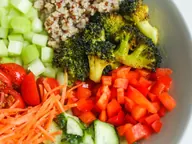
100 trillion gut microbes change how many calories you absorb. Aim for 30+ plant foods a week and 30g of fiber a day.

Short sleep raises the hunger hormone ghrelin 28% and cortisol 45%. Leptin, insulin, and thyroid round out the hormones that set your weight.

Emotional eating reaches 75% of adults. How to break the eat-regret-eat loop with a HALT check, the five-minute rule, and less self-blame.

Taste shifts over 21 days. Headaches on days 1–3, peak cravings on days 4–7, and a new habit by day 21.

Fifteen minutes of walking after a meal cuts the blood-sugar spike by 40%, and 7,000 steps a day lowers heart disease risk by 50%.

A diet break means 1–2 weeks back at maintenance. Plateaus land 3–6 months in, around 10% of body weight lost, and seven moves get you through.

While alcohol is being metabolized, fat breakdown falls 73%. A month without it averaged 2–3kg of weight loss.

Sitting 8–12 hours a day sets the terms. Thirty grams of protein at breakfast, a 15-minute walk after lunch, and standing up every 30 minutes.

Lose faster than 0.5–0.7kg a week and muscle goes with the fat. Protein at 1.6–2.2g per kg, which is 112–154g at 70kg, plus four more keys.

You burn 100–300kcal more in the luteal phase. How to match calories and training intensity to each of the four phases.

44.2% of people starting a GLP-1 report nausea and 24.8% vomiting. How to eat around it, and the signs that mean call a doctor.
In the STEP 4 extension, two-thirds of the lost weight came back within a year of stopping. Why it happens, and what to build while you can.

25–40% of the weight lost on a GLP-1 is lean mass. Keep protein at 1.6g per kg, 112g a day at 70kg, and know where to spend it first.

Ozempic face comes from speed, not the drug. Holding loss near 0.5–0.7kg a week with 1.6g of protein per kg reduces it.

Aspartame is 200× as sweet as sugar, sucralose 600×, and erythritol about 70%. What separates the sweeteners behind zero-sugar drinks.

A bottle carries 15–20g of protein, under a sixth of the 112g a 70kg person needs. Where they help, and what to check on the label.

Slow-aging diets come down to flattening glucose swings. Fibre at 25–35g a day and a 10–15 minute walk after meals are the parts with evidence.

The first 2–3kg on low-carb is glycogen and water. Where the real effect comes from, how far to cut carbs, and the 1.6g per kg protein floor.

A one-year trial found about 2 kg. Here is what swapping sugar for sweeteners really does.

Zero calories, yet glucose responses shift. What the 120-person and 30-day trials found.

Sweetness from 400× down to 0.7×, plus daily limits and the dose that upsets your stomach.

Calories matched, yet people ate more. The inpatient trial and its replications.

Halve the protein share and total intake doubles. Why low-protein meals leave you hungry.

Same total, different result. Aim for 25–30 g per meal, starting with breakfast.

What a 2B listing says and does not say, and the 9–14 cans a day behind the headline.
A 2023 cohort and a 2024 feeding study: what is established and what is not.

It is not hunger. How to tell them apart and quiet it without medication.

The intake limit sits above nine cans. Caffeine and enamel are the real ceilings.

The alcohol is gone, the carbs are not. Recent trials split by beer type.

Label rules explained, so the claim on the front stops fooling you.

Pick the protein first. Three combinations that take a minute to grab.

The hypothesis says yes, the trials mostly say no. The real leak is the reward you allow yourself.

No diet instructions were given. What happened when 80 adults simply slept longer.

The same eight hours, moved earlier, changed body fat and fasting glucose.
Your body burns less than the math predicts. How to shrink that gap.

Planned workouts are about 5% of daily burn. Everyday movement is the rest.