
This article is for information only. Wegovy is a prescription medicine — it requires a doctor's assessment, and decisions about whether and how to use it belong in a consultation. Nothing here is medical advice.
What Wegovy actually is
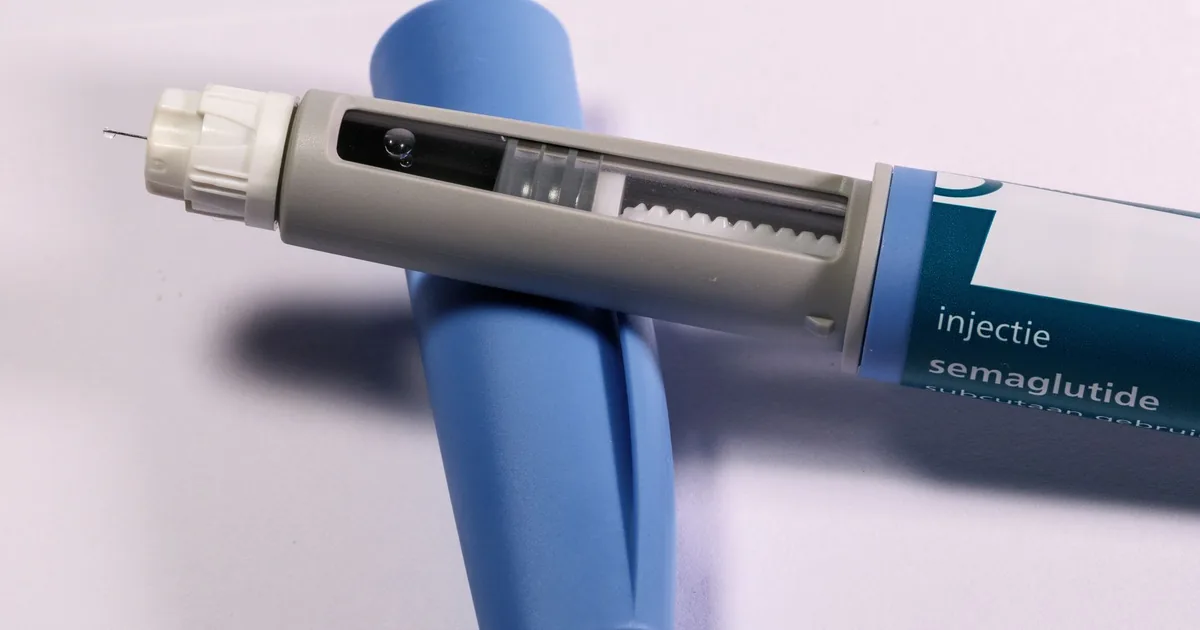
Wegovy is semaglutide, given as a once-weekly injection under the skin. The same molecule is sold as Ozempic at diabetes doses; Wegovy is the version dosed for weight management.
It works by imitating GLP-1, a hormone your gut releases when you eat. GLP-1 tells the brain you are full and slows how fast food leaves the stomach. Wegovy keeps that signal switched on far longer than a meal would, and appetite drops as a result.
What the trials found
In STEP 1, the trial behind the approval, people on Wegovy lost about 14.9% of their body weight over 68 weeks. The placebo group lost about 2.4%.
- •For someone at 100 kg, that is roughly 15 kg
- •About a third of participants lost 20% or more
- •Everyone in the trial also received diet and exercise counselling
- •The number is not what the drug does on its own
Trial figures are averages. Results vary widely between people on the same dose, and some lose very little.
The side effects most people get
Digestive symptoms dominate. In recent trial data, 44.2% of people on semaglutide reported nausea and 24.8% reported vomiting.
- •Nausea — the most common, worst early on and after each dose increase
- •Vomiting, diarrhoea, constipation
- •Abdominal pain, indigestion, burping
- •Appetite dropping so far that eating properly becomes difficult
Most of this eases within a few weeks as the body adjusts. If it does not — if symptoms are bad enough to disrupt daily life — that is a reason to slow the dose increase or stop, so tell the prescribing doctor rather than pushing through.
Rarer risks worth knowing
- •Pancreatitis — rare but serious. Severe abdominal pain radiating to the back needs immediate care
- •Gallbladder problems — rapid weight loss itself raises gallstone risk
- •Gastroparesis and bowel obstruction — the FDA added label warnings in 2023–2024
- •Thyroid C-cell tumours — seen in rodent studies. Contraindicated with a personal or family history of medullary thyroid carcinoma or MEN2
- •Low blood sugar — the risk rises when combined with insulin or sulfonylureas
Large studies found a clearly elevated relative risk of gastroparesis among GLP-1 users, but the absolute rate stayed low — on the order of one case per several thousand patient-years. 'Several times the risk' and 'how often it actually happens' are different questions.
It is not only fat that goes
Weight lost on GLP-1 drugs includes muscle, not just fat. Losing muscle lowers your resting metabolic rate, which makes the weight easier to regain once you stop.
- •Make protein a deliberate priority, not an afterthought
- •Add resistance training — closer to essential than optional here
- •As portions shrink, what is in them matters more
What happens when you stop
Appetite returns, and a substantial share of the lost weight tends to come back. Wegovy was designed as long-term management of a chronic condition, not a course you finish.
The months on the drug are best spent rebuilding eating habits. What you establish while appetite is suppressed is what carries you afterwards.
Products sold online without a prescription cannot be verified as genuine and are illegal in most places. Go through a clinic.