
Why Eat Seasonally?
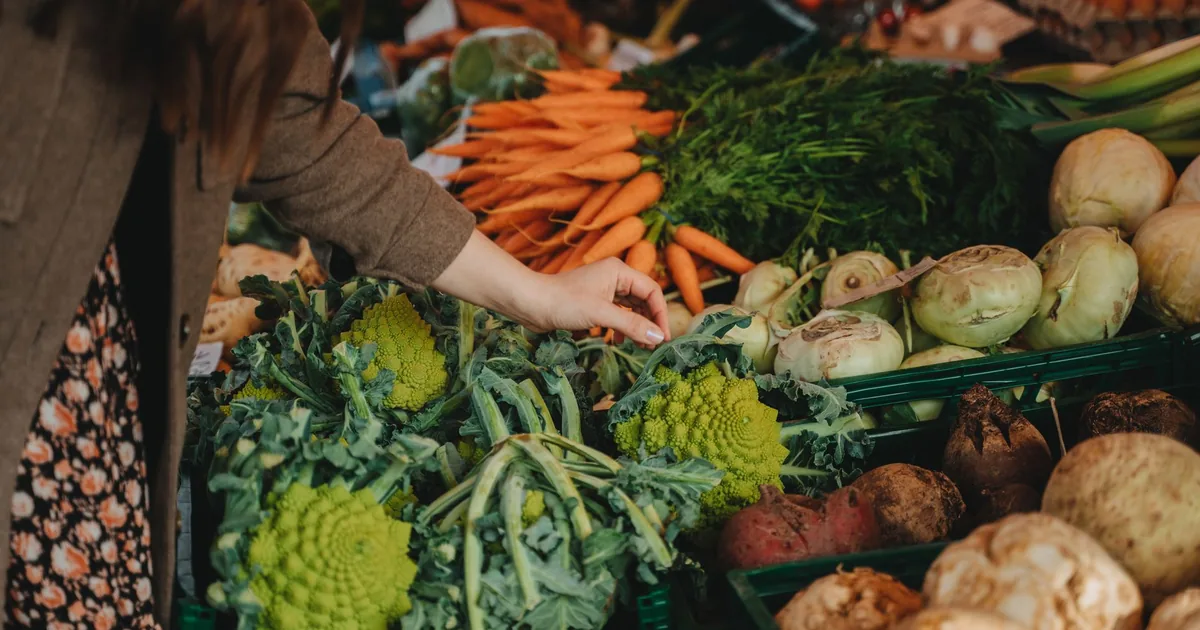
Produce harvested in season has the highest nutritional value, the best flavor, and the lowest price. It's also fresher, so it reaches you with fewer preservatives and less chemical treatment.
- •Nutrient density: in-season tomatoes have twice the vitamin C of out-of-season ones
- •Price: abundant supply in season makes it 30–50% cheaper
- •Environment: no greenhouse growing or long-haul shipping means a smaller carbon footprint
- •Flavor: ripened naturally for peak sweetness and aroma
Spring Produce (March–May)
- •Vegetables: shepherd's purse, wild chive, mugwort, aralia shoots, water parsley, spring cabbage
- •Fruit: strawberries, Hallabong oranges
- •Seafood: webfoot octopus, blue crab, flounder, sea squirt
- •Suggested dishes: shepherd's purse soybean soup, wild chive salad, mugwort rice cake, flounder-mugwort soup
💡
Spring greens have a detoxifying effect, helping clear out what built up over winter.
Summer Produce (June–August)
- •Vegetables: cucumber, eggplant, zucchini, green chili, perilla leaves, chives
- •Fruit: watermelon, Korean melon, peaches, plums, grapes
- •Seafood: eel, abalone, sea urchin, croaker
- •Suggested dishes: chilled cucumber soup, seasoned eggplant, samgyetang, grilled eel
Autumn Produce (September–November)
- •Vegetables: sweet potato, chestnuts, mushrooms, lotus root, burdock, mature pumpkin
- •Fruit: apples, pears, persimmons, pomegranate, jujube
- •Seafood: gizzard shad, mackerel pike, large shrimp, oysters, Spanish mackerel
- •Suggested dishes: grilled gizzard shad, mushroom hot pot, chestnut rice, pumpkin porridge
Winter Produce (December–February)
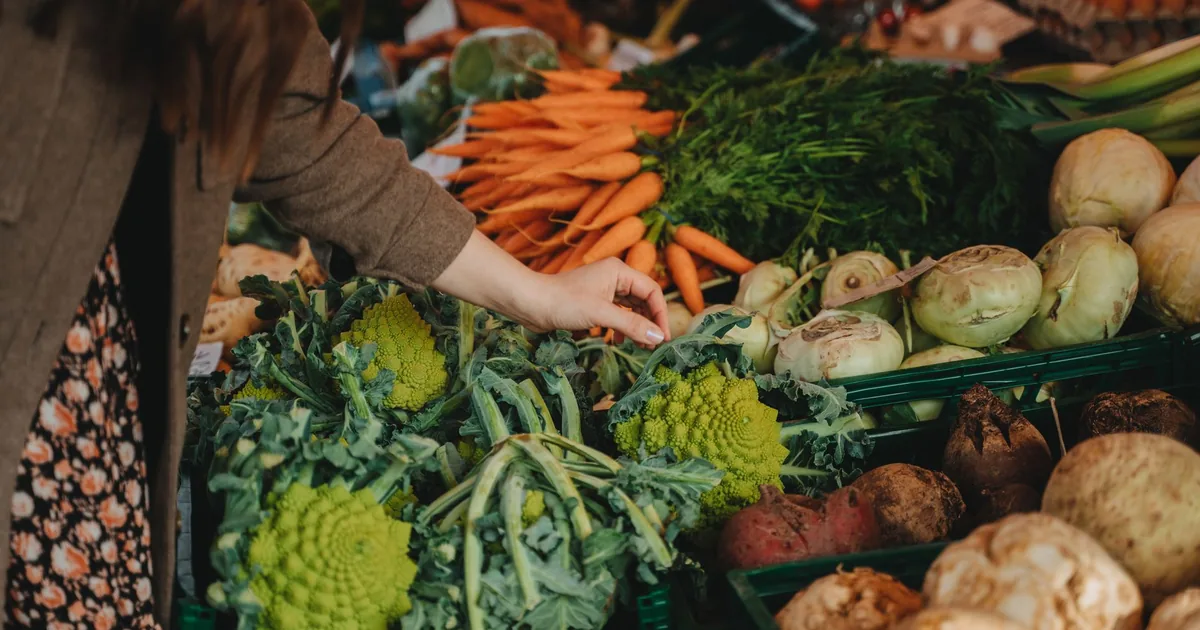
- •Vegetables: napa cabbage, radish, spinach, broccoli, carrots
- •Fruit: tangerines, yuzu, apples, strawberries (late winter)
- •Seafood: oysters, cod, monkfish, gwamegi, yellowtail
- •Suggested dishes: oyster fritters, cod soup, seasoned spinach, yellowtail sashimi
Storing Seasonal Produce
- •Leafy greens: wrap in paper towels, refrigerate 3–5 days
- •Root vegetables: wrap in newspaper, keep somewhere cool, 1–2 weeks
- •Fruit: store types separately (ethylene gas)
- •Seafood: eat the same day; freeze for up to a month
- •Freezing: blanch first to minimize nutrient loss
“Follow nature's calendar. Seasonal food is the tastiest and healthiest choice.”