
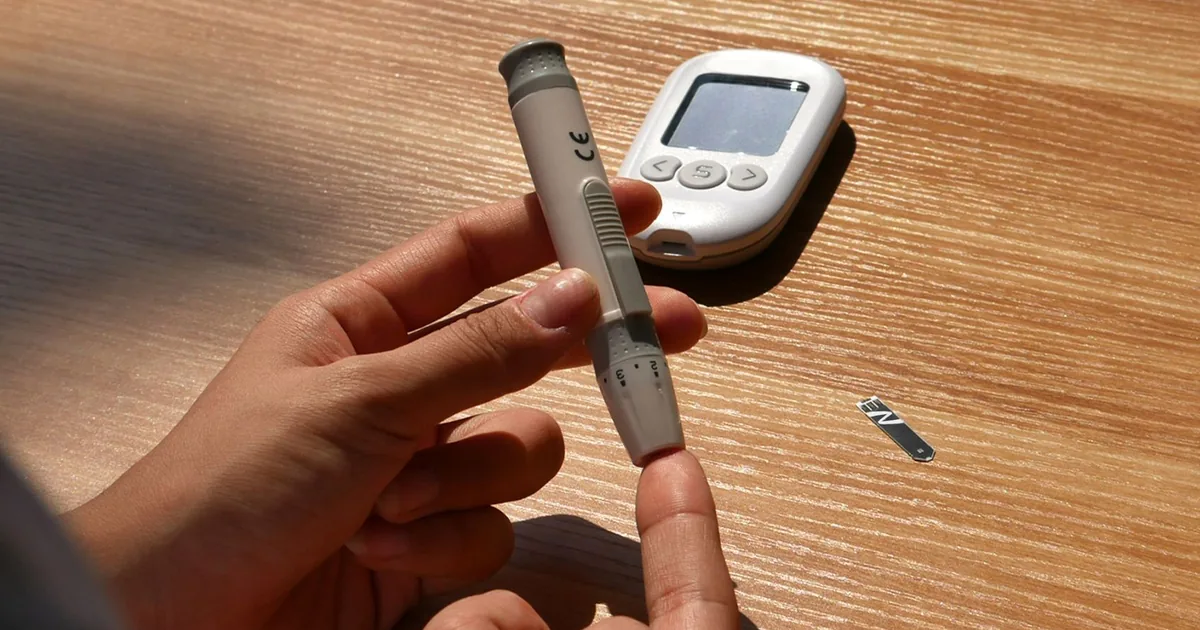
What Is Blood Sugar?
Blood sugar is the concentration of glucose in your blood. When you eat, your body breaks carbohydrates down into glucose, which travels through the blood to your cells for energy.
Normal fasting blood sugar is 70–100mg/dL; 126mg/dL or higher is diagnosed as diabetes. The 100–125mg/dL range is prediabetes, which lifestyle changes can often reverse.
The Danger of Blood Sugar Spikes
A sharp rise in blood sugar after eating is called a "blood sugar spike." Repeated spikes cause insulin resistance and can eventually lead to diabetes.
- •Fatigue and drowsiness: a spike followed by a crash leaves you exhausted
- •More hunger: the crash brings hunger rushing back
- •Weight gain: excess insulin promotes fat storage
- •Chronic inflammation: damages blood vessels and accelerates aging
- •Diabetes risk: rising insulin resistance
Eating to Stabilize Blood Sugar
- •Vegetables first: fiber slows carbohydrate absorption
- •Pair with protein: blunts the rate of the rise
- •Cut refined carbs: whole grains instead of white bread and white rice
- •Use vinegar: a spoonful before meals suppresses the spike
- •Walk after eating: 10–15 minutes helps regulate blood sugar
Choose low-GI foods (glycemic index under 55): brown rice, whole wheat bread, legumes, and most vegetables.

Good vs Bad Foods for Blood Sugar
- •Good: eggs, avocado, nuts, olive oil, leafy greens, berries
- •Bad: white bread, candy, fruit juice, processed food, sugary drinks
- •Surprisingly good: dark chocolate (70%+), apple cider vinegar, cinnamon
- •Surprisingly bad: french fries, white rice eaten alone, corn flakes
If you've been diagnosed with diabetes or take blood sugar medication, consult your doctor before changing your diet.
“With diabetes, prevention is everything. Today's eating habits decide your health a decade from now.”