
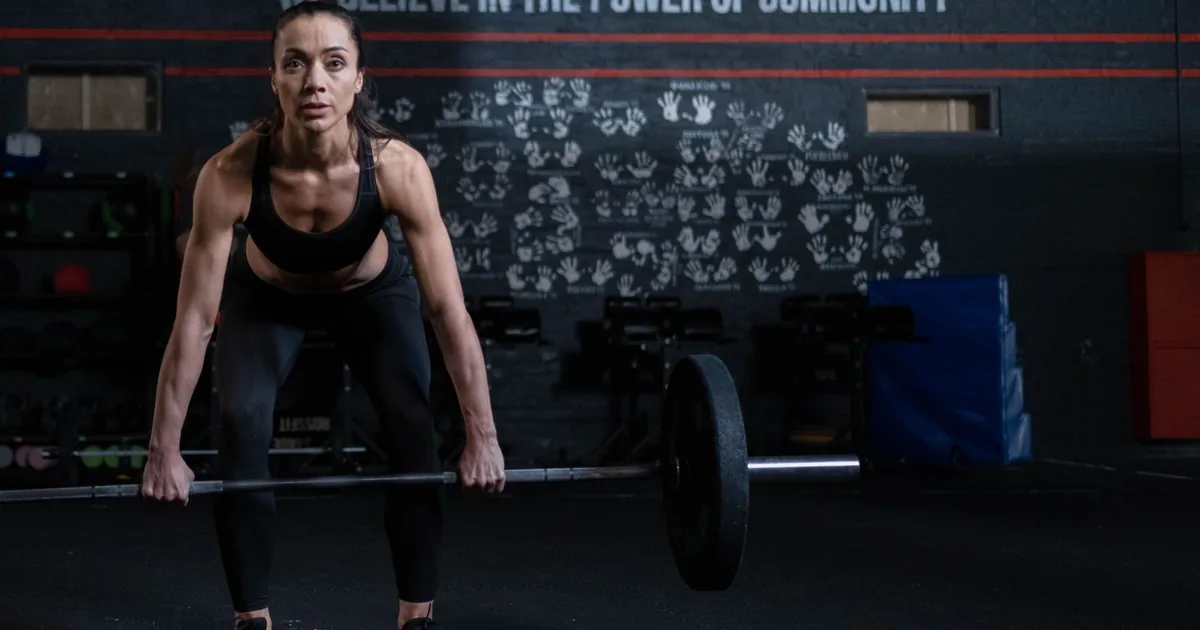
Cardio vs Strength Training
Many people equate dieting with cardio — treadmill, bike, swimming. Cardio matters, but without strength training, real body-composition change is hard to achieve.
How Strength Training Helps Weight Loss
- •Higher BMR: each kg of muscle burns an extra 13kcal a day
- •EPOC effect: extra calorie burn for 24-48 hours after training
- •Better shape: more muscle looks leaner at the same weight
- •Yo-yo prevention: keeping muscle preserves your metabolic rate
- •Insulin sensitivity: improved blood sugar control
💡
EPOC (excess post-exercise oxygen consumption): your body keeps burning calories while recovering. This effect is larger after strength training than cardio.
Strength Exercises for Beginners
- •Squat: the whole lower body, the most fundamental lift
- •Push-up: chest, shoulders, triceps
- •Plank: the entire core
- •Lunge: lower body and balance
- •Dumbbell row: back and biceps
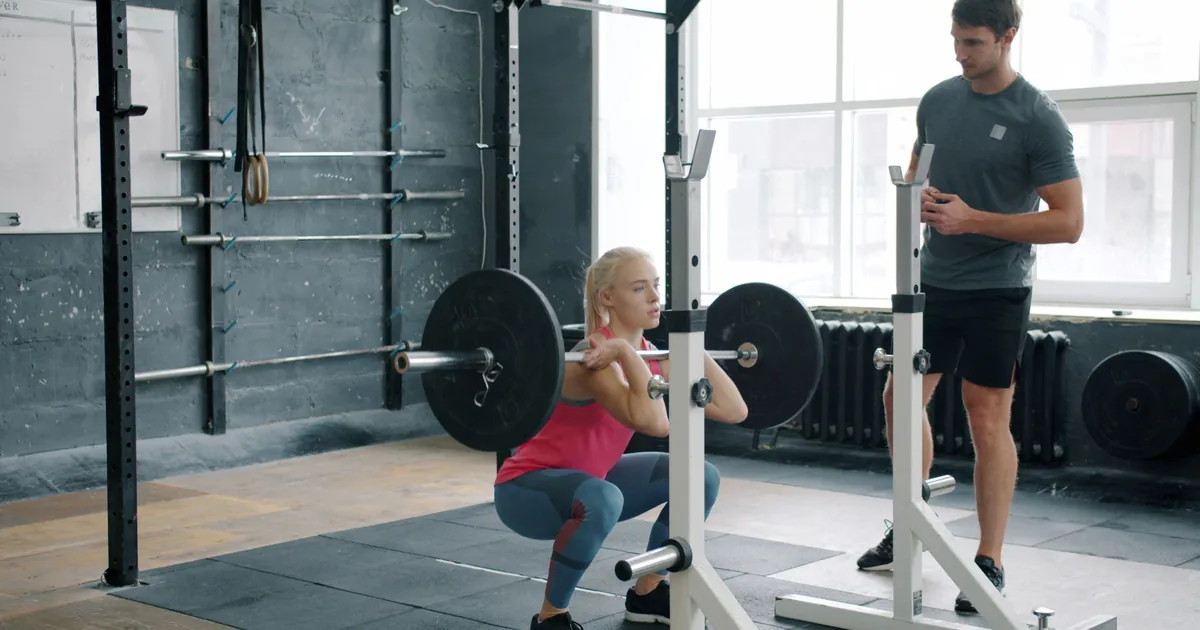
How Many Times a Week?
| Level | Frequency | Split |
|---|---|---|
| Beginner | 2-3 times a week | Full body |
| Intermediate | 3-4 times a week | Upper/lower |
| Advanced | 4-6 times a week | Body part |
Muscle grows during rest, not during the workout. The same muscle group needs at least 48 hours of recovery.
Common Myths About Lifting
- •"Lifting makes you bulky" → for women, hormones make that extremely difficult
- •"You can't lift when you're older" → the older you get, the more you need it
- •"Cardio burns more" → over the long run, strength training is more efficient
“Cardio burns calories while you train; strength training burns them for 24 hours.”
Sources · Korea Ministry of Food and Drug Safety food composition database