
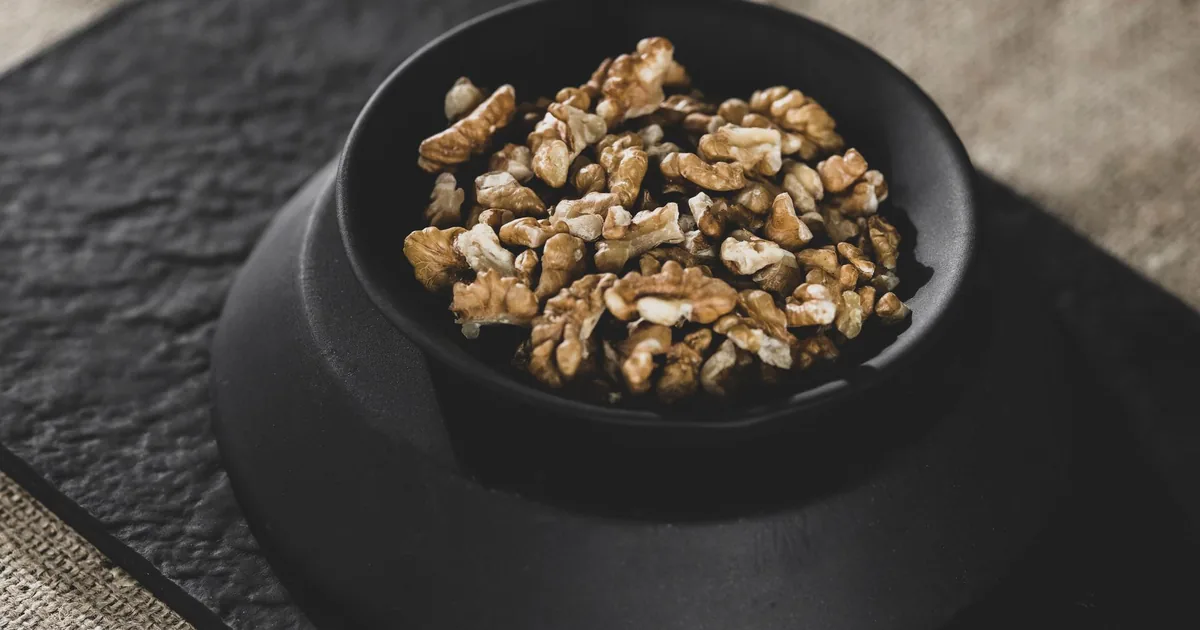
The Misunderstanding About Fat
Fat was long seen as the enemy of dieting. But fat is essential for hormone production, vitamin absorption, and brain function. What matters is which fats you eat.
Types of Fat
- •Saturated fat: solid at room temperature; excess raises cardiovascular risk (butter, pork belly)
- •Unsaturated fat: liquid at room temperature and beneficial
- •- Monounsaturated: olive oil, avocado
- •- Polyunsaturated: omega-3, omega-6
- •Trans fat: artificially made and the worst of the bunch (margarine, fried food)
What Is Omega-3?
Omega-3 is an essential fatty acid your body can't synthesize, so it must come from food. EPA and DHA are the most important forms.
- •EPA: reduces inflammation, supports heart health
- •DHA: brain function, vision, fetal development
- •ALA: plant omega-3 (chia seeds, walnuts) → low conversion rate to EPA/DHA
Benefits of Omega-3
- •Heart health: lowers triglycerides, helps blood pressure
- •Brain health: memory, focus, depression prevention
- •Less inflammation: eases arthritis and chronic inflammation
- •Eye health: improves dry eye
- •Skin health: hydration and anti-aging
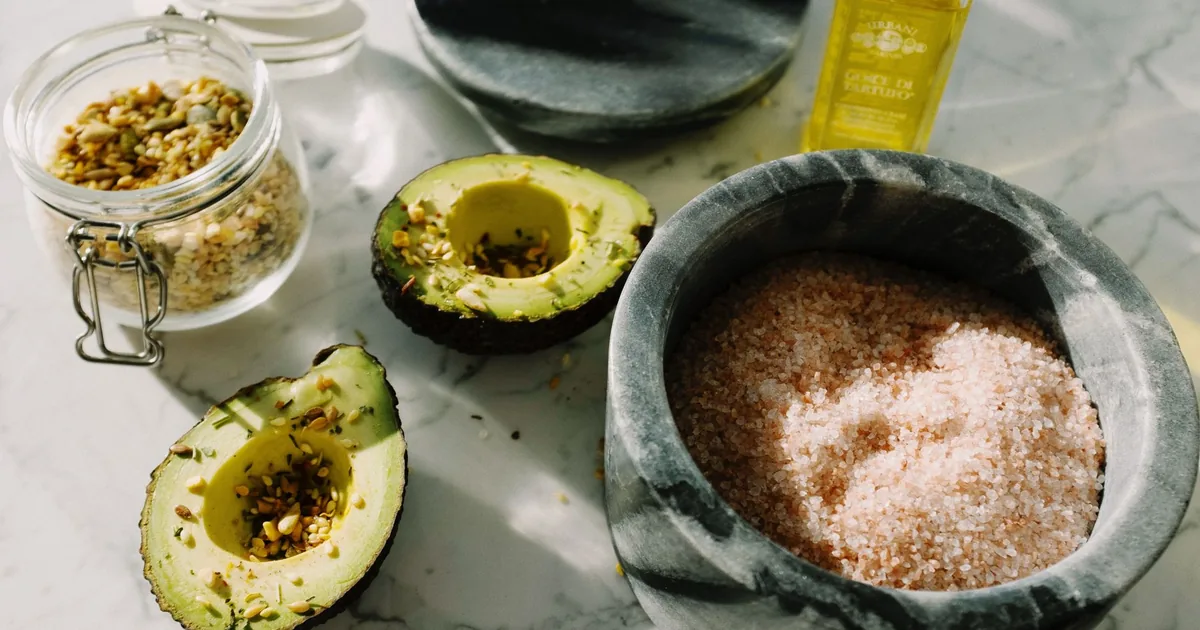
Omega-3-Rich Foods
| Food | Omega-3 |
|---|---|
| Salmon (100g) | about 2,200mg |
| Mackerel (100g) | about 2,600mg |
| Sardines (100g) | about 1,400mg |
| Anchovies (100g) | about 950mg |
| Walnuts (28g) | about 2,500mg (ALA) |
| Chia seeds (28g) | about 5,000mg (ALA) |
💡
Eating oily fish at least twice a week meets the omega-3 recommendation (250–500mg EPA+DHA).
Balancing With Omega-6
Omega-6 is also essential, but modern diets overdo it. The ideal omega-6 to omega-3 ratio is 4:1 or lower; today's diets run 15–20:1.
- •Excess omega-6 sources: cooking oils, processed food, eating out
- •Rebalancing: increase omega-3 and cut processed food
- •Change your oil: soybean oil → olive oil, avocado oil
⚠️
High-dose omega-3 supplements can affect blood clotting. Consult a doctor before surgery or if taking anticoagulants.
“Don't fear good fats. They're essential fuel for your body and brain.”