
Why Protein Matters for Weight Loss
Protein is the single most important nutrient while dieting. Getting enough while restricting calories minimizes muscle loss, sustains fullness, and supports your metabolic rate.
- •Preserves muscle: prevents muscle breakdown during a calorie deficit
- •High satiety: keeps you fuller longer than carbs or fat
- •Thermic effect: burns more energy during digestion (TEF 20-35%)
- •Blood sugar stability: prevents sharp glucose swings
Daily Protein Targets
The general recommendation is 0.8g per kg of body weight, but dieting requires more.
| Situation | Protein per kg of body weight |
|---|---|
| General population | 0.8–1.0g |
| While dieting | 1.2–1.6g |
| Dieting plus training | 1.6–2.2g |
💡
A 70kg person dieting needs 84–112g of protein a day — roughly 350–470g of chicken breast.
High-Protein Foods Compared
| Food | Calories | Protein |
|---|---|---|
| Chicken breast 100g | 165kcal | 31g |
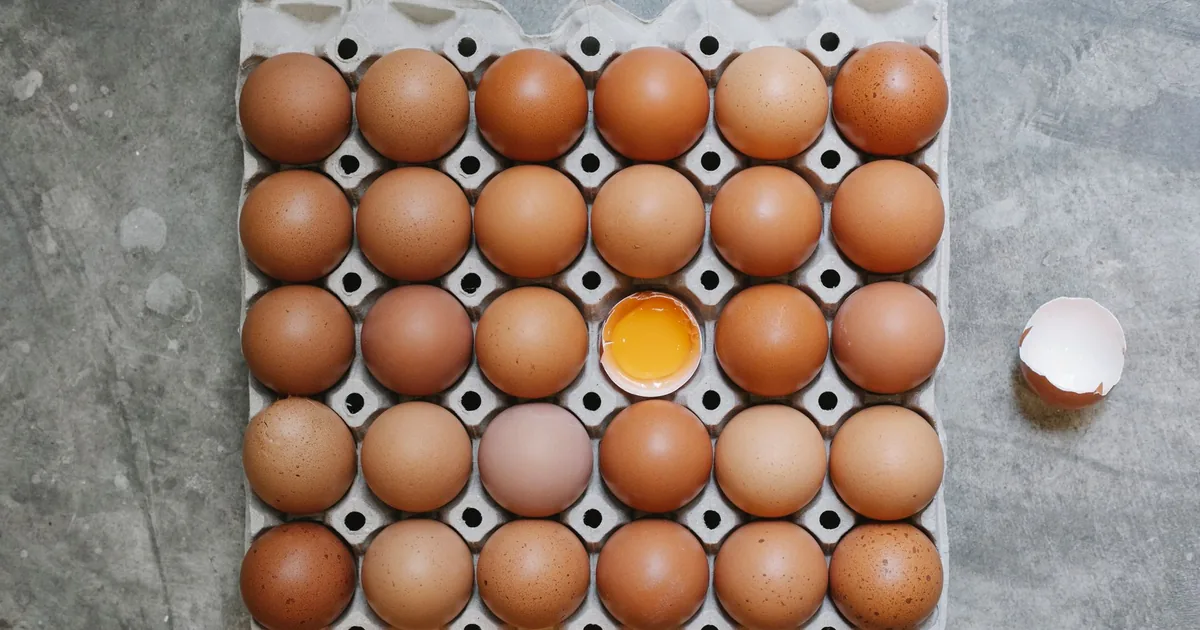
| 1 egg (60g) | 90kcal | 6g |
| Greek yogurt 100g | 59kcal | 10g |
| Tofu 100g | 76kcal | 8g |
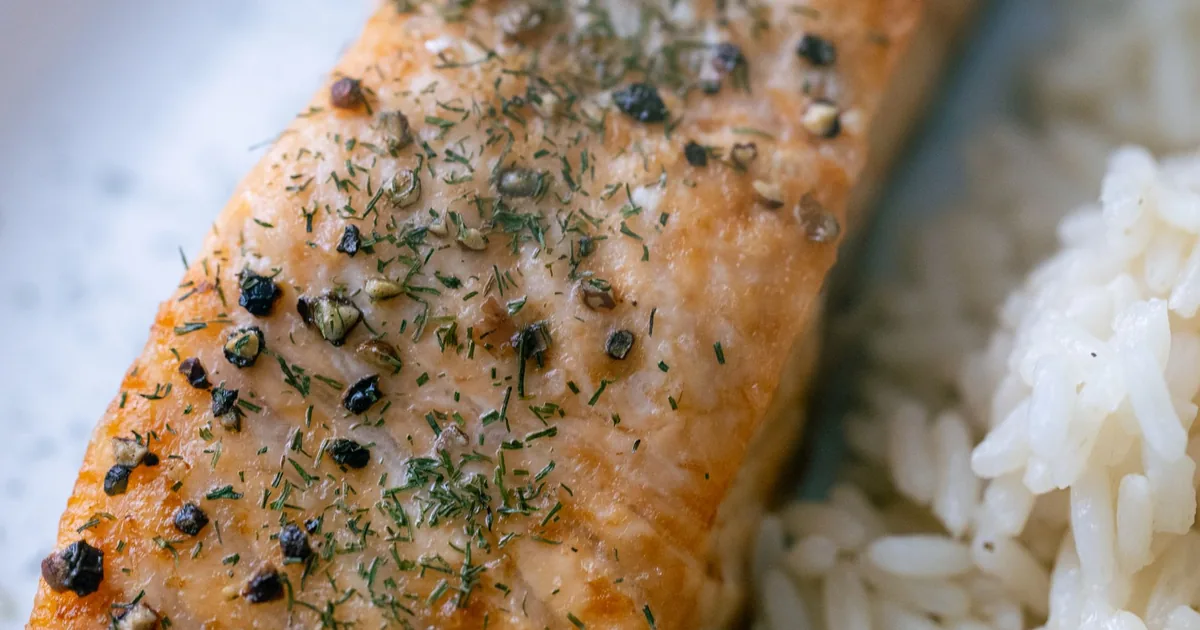
| Salmon 100g | 208kcal | 20g |
| Beef tenderloin 100g | 250kcal | 26g |
Protein Timing
Spreading protein through the day works better than loading it into one meal, since there's a limit to how much you absorb at once.
| Meal | Protein | Example |
|---|---|---|
| Breakfast | 20–30g | 3 eggs + milk |
| Lunch | 25–35g | chicken breast salad |
| Dinner | 25–35g | fish or tofu dish |
| Snack | 10–20g | Greek yogurt, protein shake |
⚠️
If you have kidney disease, consult a doctor before adopting a high-protein diet.
“Protein is your strongest ally while dieting. Don't starve — eat more protein.”
Sources · Korea Ministry of Food and Drug Safety food composition database