
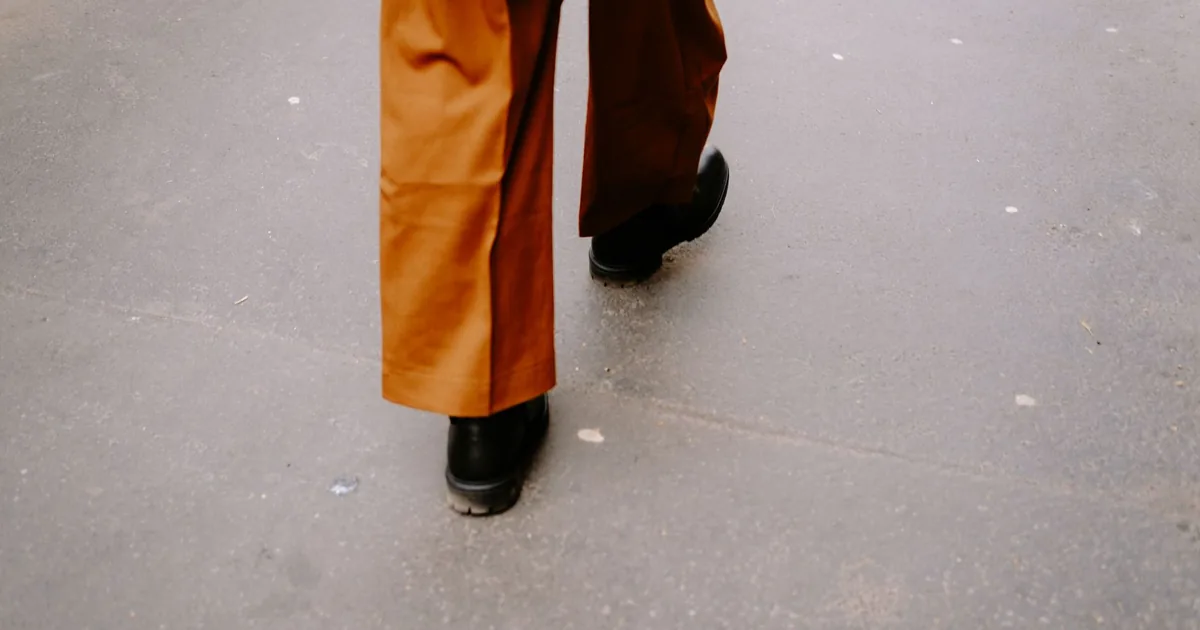
Why Do We Dismiss Walking?
Because of the belief that exercise has to hurt to work, walking gets dismissed. But recent research shows steady low-intensity activity is nearly as effective as intermittent high-intensity work.
The Science Behind Walking
- •Calorie burn: 30 minutes at 5km/h ≈ 150kcal
- •Fat burning: low-intensity work uses fat as its main fuel
- •Insulin sensitivity: a 15-minute walk after eating cuts blood-sugar spikes by 40%
- •Heart health: 7,000 steps a day cuts heart disease risk by 50%
- •Mental health: reduces symptoms of depression and anxiety
- •Longevity: 30 minutes of walking a day lowers mortality by 20%
10,000 steps a day ≈ 6-8km ≈ 400-500kcal burned ≈ up to 2kg lost in a month!
The Power of NEAT
NEAT (Non-Exercise Activity Thermogenesis) is the energy you spend on everyday movement. Being active all day burns more calories than one hour in the gym.
| Activity | Calories burned |
|---|---|
| Standing to work (vs sitting) | 50kcal more per hour |
| Taking the stairs, 10 flights | ≈ 30kcal |
| Cleaning/cooking, 30 minutes | ≈ 100kcal |
| Shopping, 1 hour | ≈ 200kcal |
| Gardening, 30 minutes | ≈ 150kcal |
How to Walk Effectively
- •Pace: able to talk but not sing
- •Posture: chin tucked, shoulders back, core braced
- •Stride: 10% longer than usual
- •Arms: bent at 90 degrees, swinging actively
- •Incline: hills or stairs double the effect
- •Duration: 30 continuous minutes, or three 10-minute walks

Building a Walking Routine
- •Use your commute: get off a stop early and walk
- •Lunch stroll: 15 minutes after eating
- •Phone calls: take them on foot
- •Meetings: make them walking meetings when possible
- •TV time: walk on a treadmill while watching
- •Social walking: swap a café meetup for a walk
Don't jump straight into long walks. Add about 1,000 steps per week.
Walking vs Running
Thirty minutes of running burns twice the calories of thirty minutes of walking. But factoring in sustainability, injury risk, and stress, walking may be the better choice.
- •Injury risk: roughly 50% of runners annually vs 1-5% of walkers
- •Sustainability: walking is far easier to turn into a habit
- •Fat-burning ratio: higher for walking (though total burn favors running)
- •Mental health: both offer similar benefits
- •Bottom line: both are good, but walking beats doing nothing!
“The best exercise is the one you actually do. Anyone can walk, anytime, anywhere.”
Sources · Korea Ministry of Food and Drug Safety food composition database