
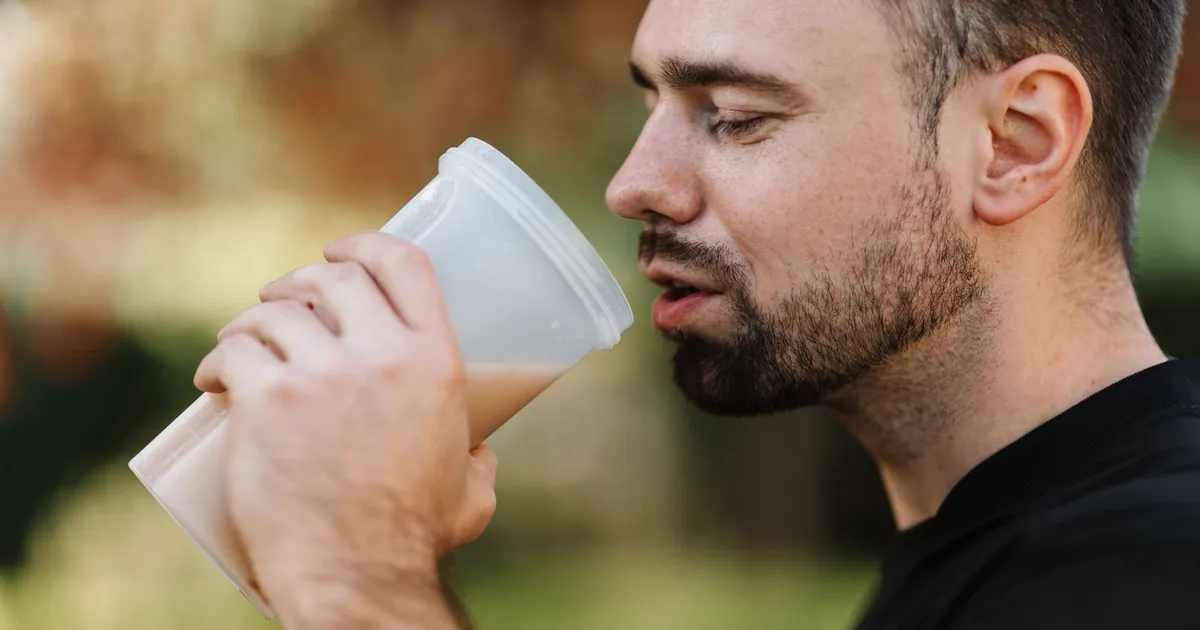
Protein drinks have taken over an entire shelf at the convenience store.
One bottle does not cover your day, though.
How much is actually in there
- •A typical bottled protein drink — 15–20 g, 100–150 kcal
- •Chicken breast, 100 g — 31 g, 165 kcal
- •Greek yogurt, 100 g — 10 g, 59 kcal
- •One egg — 6 g, 90 kcal
At 70 kg in a deficit you need 112 g or more per day.
One bottle is under a sixth of that.
Where they genuinely earn their place
- •Right after training, when preparing food is not realistic
- •Replacing a skipped breakfast
- •Late nights and travel, when a shop is the only option
- •When appetite is gone and solid food is hard to face
💡
A supplement supplements. Fill the gap food left, not the other way round.
What to check on the label
- •Read grams of protein against calories. 20 g for 250 kcal is poor value
- •Check added sugar — some carry over 10 g for taste
- •Plenty of "protein" snacks and drinks contain only 8 g
- •With lactose intolerance, look for whey isolate or a plant-based option
Is more better?
No. There is a ceiling on what one sitting can use, so piling it on just adds calories.
Splitting the daily total into 25–40 g per meal works better.
⚠️
With kidney disease, discuss high-protein intake with a doctor first. It appears safe in healthy kidneys, but impaired function changes the picture.
“A bottle does not solve this. A palm-sized serving at every meal does.”