
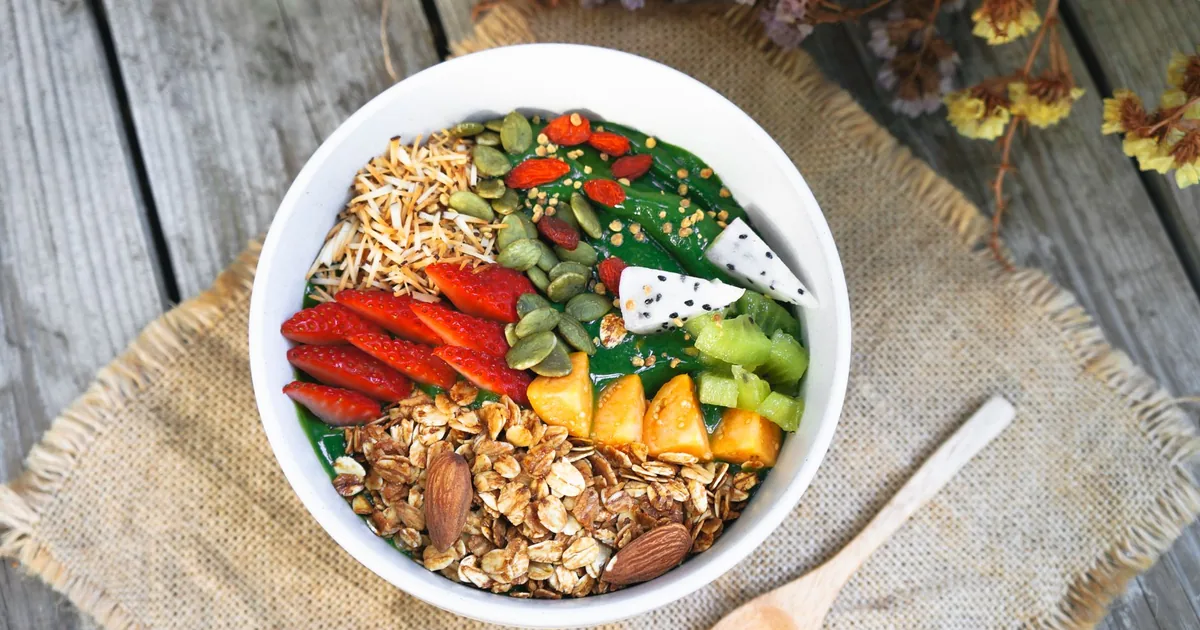
What Are Superfoods?
"Superfood" is a marketing term for foods said to be especially nutrient-dense or beneficial. It is not an actual medical or scientific classification.
The foods labeled superfoods are genuinely healthy, but no "miracle food" exists. A balanced diet matters far more.
Hype vs Real Benefit
- •Acai berry: rich in antioxidants but barely different from blueberries (at 10× the price)
- •Goji berry: nutritious but comparable to raisins (marketing exaggeration)
- •Quinoa: excellent plant protein (genuinely good)
- •Kale: nutrient-dense, though spinach and broccoli are just as good
- •Chia seeds: rich in omega-3 (genuinely good; flaxseed is an alternative)
- •Turmeric: anti-inflammatory (poor absorption, so pair it with black pepper)
Better-Value Alternatives
- •Acai → blueberries, black beans (local, cheaper)
- •Goji berries → raisins, dried cranberries
- •Quinoa → oats, brown rice, lentils
- •Kale → spinach, broccoli, perilla leaves
- •Chia seeds → flaxseed, perilla seeds
- •Avocado oil → olive oil, perilla oil
💡
Fresh local seasonal produce can beat expensive imported superfoods.
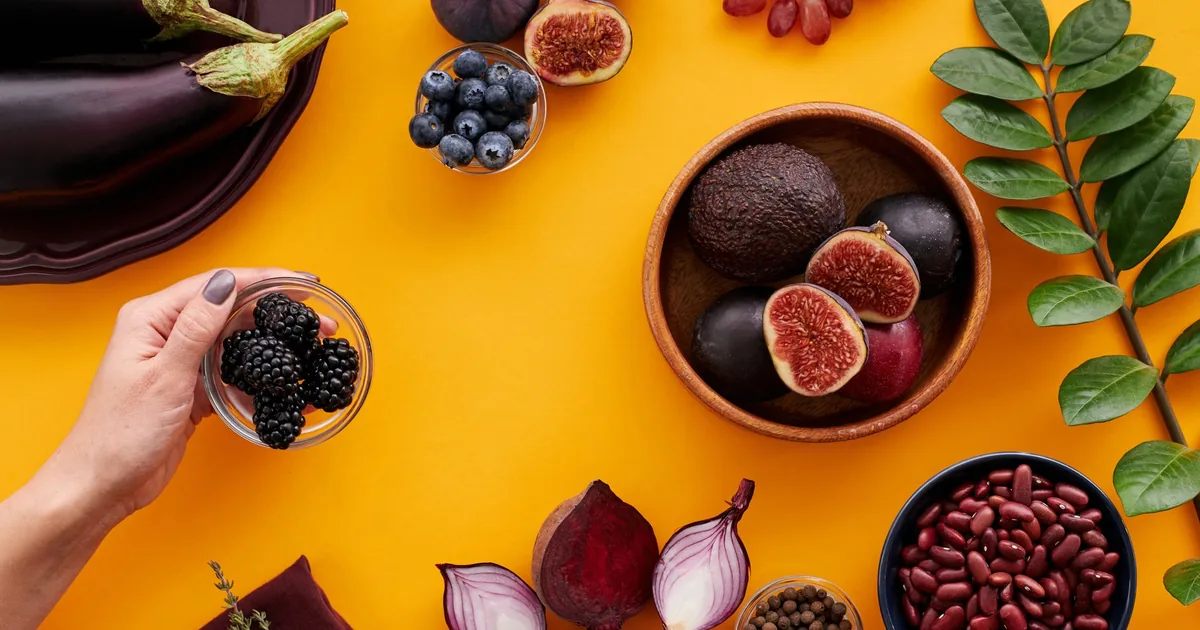
Foods With Proven Benefits
- •Berries: antioxidants, brain health (well researched)
- •Oily fish: omega-3, cardiovascular health (clear benefit)
- •Nuts: heart health, weight management (many studies)
- •Olive oil: cornerstone of the Mediterranean diet (long-term research)
- •Green tea: catechins, metabolic support (consistent research)
- •Garlic: antibacterial, heart health (tradition + science)
Cautions With Superfoods
- •Don't overdo it: too much of a good thing is still harmful
- •Watch interactions: some foods interact with medications
- •Check allergies: start new foods in small amounts
- •Check quality: organic status, origin, additives
⚠️
Never rely on superfoods to treat a medical condition. They cannot replace a doctor's treatment or medication.
“It's not one superfood but a super diet — varied and balanced — that's the real answer.”