
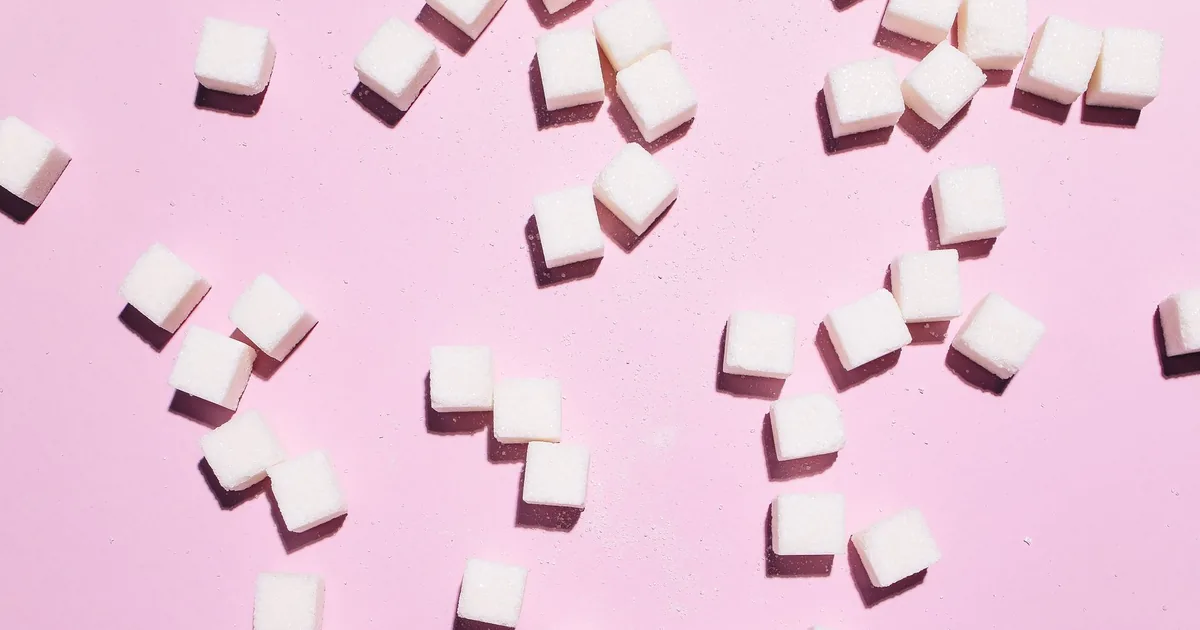
Sugar Addiction Is Real
Sugar stimulates the brain's reward center and releases dopamine — the same mechanism as addictive drugs. Research suggests sugar can be up to eight times more addictive than cocaine.
Feeling good when you eat sweets and irritable with headaches when you stop is exactly what addiction looks like.
What Sugar Does to Your Body
- •Blood sugar spikes and crashes: fatigue, poor focus, irritability
- •Insulin resistance: higher diabetes risk
- •Body fat accumulation: especially around the abdomen
- •More inflammation: skin aging, joint pain
- •Tooth decay: worsening oral health
Daily Sugar Limits
The WHO recommends under 25g (about 6 teaspoons) of added sugar per day. Most people today consume 70-100g.
⚠️
One can of cola has 35g of sugar; a chocolate bar has 25g. Cutting drinks and snacks alone makes a huge difference.
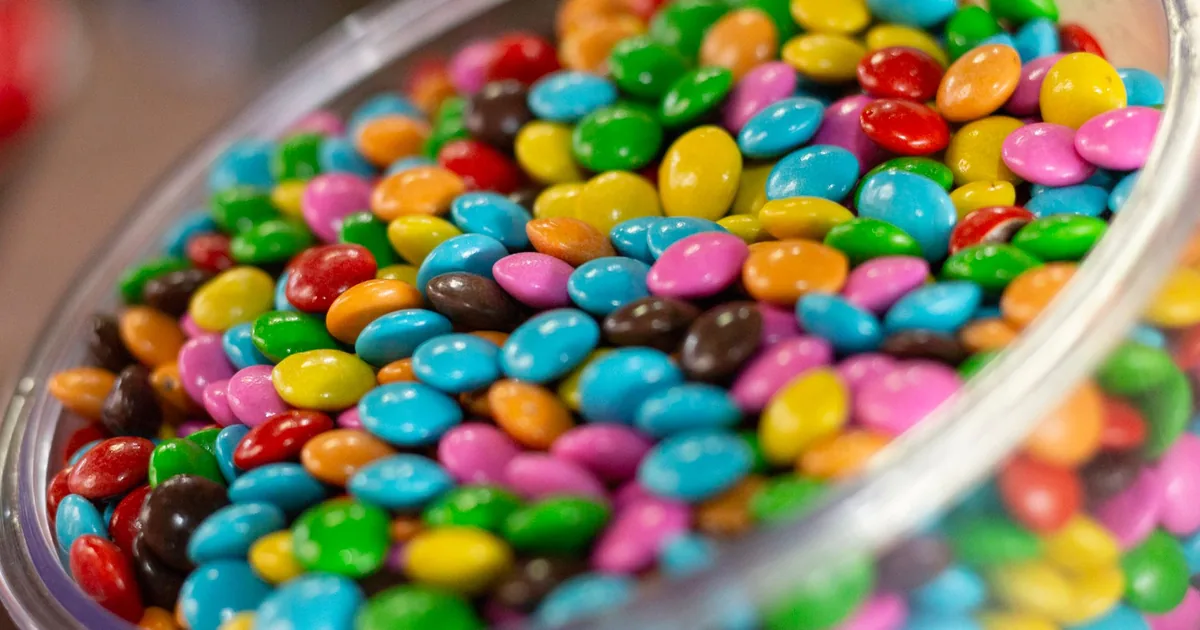
A 7-Day Plan to Quit Sugar
- •Days 1-2: swap drinks (soda, juice) for water or tea
- •Days 3-4: swap snacks and pastries for fruit
- •Days 5-6: identify hidden sugar in processed foods
- •Day 7: find satisfaction in natural sweetness (sweet potato, fruit)
💡
The first 3-5 days are hardest. Headaches, fatigue, and irritability may come, but it improves sharply after that.
Sugar Alternatives
- •Stevia: a natural sweetener with zero calories
- •Erythritol: a sugar substitute with almost no calories
- •Cinnamon: natural sweetness plus blood sugar support
- •Fruit: natural sugar with fiber
“Two weeks after quitting sugar, you start tasting real food again.”
Sources · WHO guidance