
The Gut Is Your Second Brain
Roughly 100 trillion microbes live in your gut. Together they're called the gut microbiome, weighing 1–2kg. They influence digestion, immunity, and even mental health.
- •Aids digestion and nutrient absorption
- •70% of the immune system sits in the gut
- •90% of serotonin is produced in the gut
- •Influences weight control (a documented link between obesity and gut flora)
- •Regulates inflammatory responses
Probiotics vs Prebiotics
- •Probiotics: the beneficial bacteria themselves (Lactobacillus, Bifidobacterium, etc.)
- •Prebiotics: food for those bacteria (fiber, oligosaccharides, etc.)
- •Synbiotics: a combination of both
💡
Taking probiotics together with prebiotics (fiber) doubles the effect.
Probiotic-Rich Foods
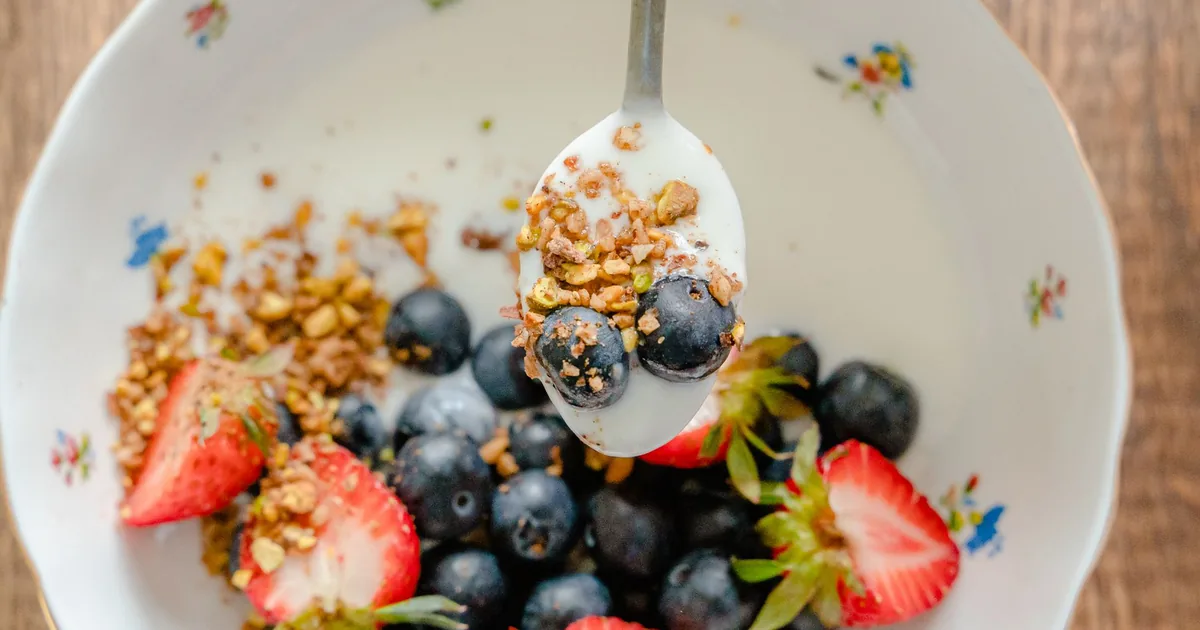
- •Yogurt: the most common probiotic food
- •Kimchi: a familiar fermented staple
- •Doenjang, cheonggukjang: powerful sources of beneficial bacteria
- •Kombucha: a fermented drink
- •Kefir: fermented dairy
- •Sauerkraut: German fermented cabbage
Prebiotic-Rich Foods
- •Garlic, onion: rich in inulin and FOS
- •Banana: especially slightly underripe ones
- •Asparagus: rich in prebiotic fiber
- •Oats, barley: beta-glucan
- •Chicory root: a major inulin source

What Damages Gut Health
- •Antibiotic overuse: wipes out good bacteria too
- •Processed food and excess sugar: feeds harmful bacteria
- •Stress: harms the gut through the gut-brain axis
- •Sleep deprivation: disrupts microbial balance
- •Heavy drinking: damages the gut barrier
Choosing a Probiotic Supplement
- •Check CFU: at least 1–10 billion CFU
- •Strain diversity: pick products with multiple strains
- •Refrigerate: live-culture products need cold storage
- •Take before meals: more effective when stomach acid is low
⚠️
If you take immunosuppressants or are seriously ill, consult a doctor before taking probiotic supplements.
“A healthy gut is the start of a healthy life. When your gut is at ease, so is your mind.”