
Free Radicals and Aging
Your body produces free radicals as a byproduct of making energy. In excess they damage cells, driving aging, cancer, and cardiovascular disease.
- •What raises free radicals: stress, smoking, alcohol, UV light, processed food
- •Oxidative stress: free radicals outpacing antioxidant capacity
- •The result: DNA damage, collagen breakdown, inflammation, chronic disease
Key Antioxidants
- •Vitamin C: immunity, collagen synthesis (citrus, bell peppers, kiwi)
- •Vitamin E: protects cell membranes (nuts, seeds, avocado)
- •Beta-carotene: vitamin A precursor (carrots, sweet potato, spinach)
- •Selenium: supports enzyme activity (Brazil nuts, seafood)
- •Polyphenols: plant-specific antioxidants (berries, green tea, dark chocolate)
- •Lycopene: a powerful antioxidant (tomato, watermelon)
Top 10 Antioxidant Foods
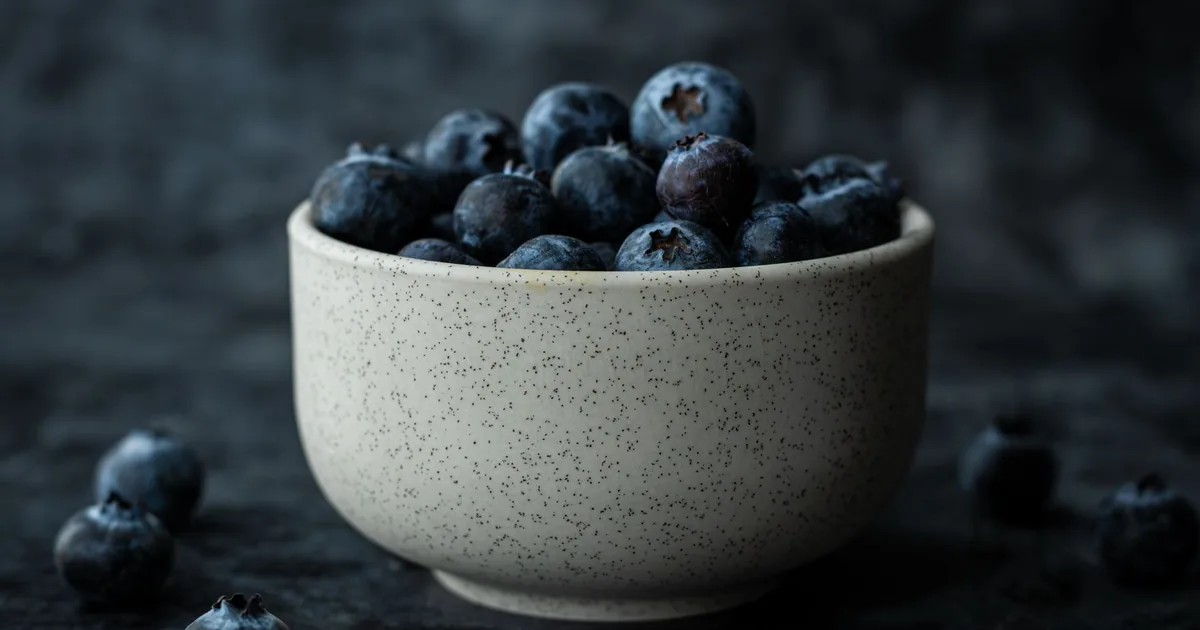
- •Blueberries: rich in anthocyanins, good for the brain
- •Dark chocolate (70%+): flavanols, heart health
- •Spinach: lutein, eye health
- •Tomato: lycopene, prostate health
- •Broccoli: sulforaphane, anti-cancer effects
- •Green tea: catechins, metabolic support
- •Walnuts: vitamin E, omega-3
- •Pomegranate: punicalagin, vascular health
- •Turmeric: curcumin, anti-inflammatory
- •Acai berry: among the highest ORAC values
💡
Eat vegetables and fruit in many colors. Each color carries different antioxidants — a "rainbow plate" is best.
Improving Absorption
- •Tomatoes: cooking increases lycopene absorption
- •Fat-soluble antioxidants: eat with olive oil
- •Green tea: adding lemon boosts catechin absorption
- •Turmeric: black pepper (piperine) increases curcumin absorption 20-fold
Food vs Supplements
Research shows antioxidants work best from food. Some studies suggest high-dose supplements can even be harmful.
⚠️
Beta-carotene supplements may increase lung cancer risk in smokers. Getting it from food is safest.
“You can't stop aging, but you can slow it. Every meal is an opportunity.”