
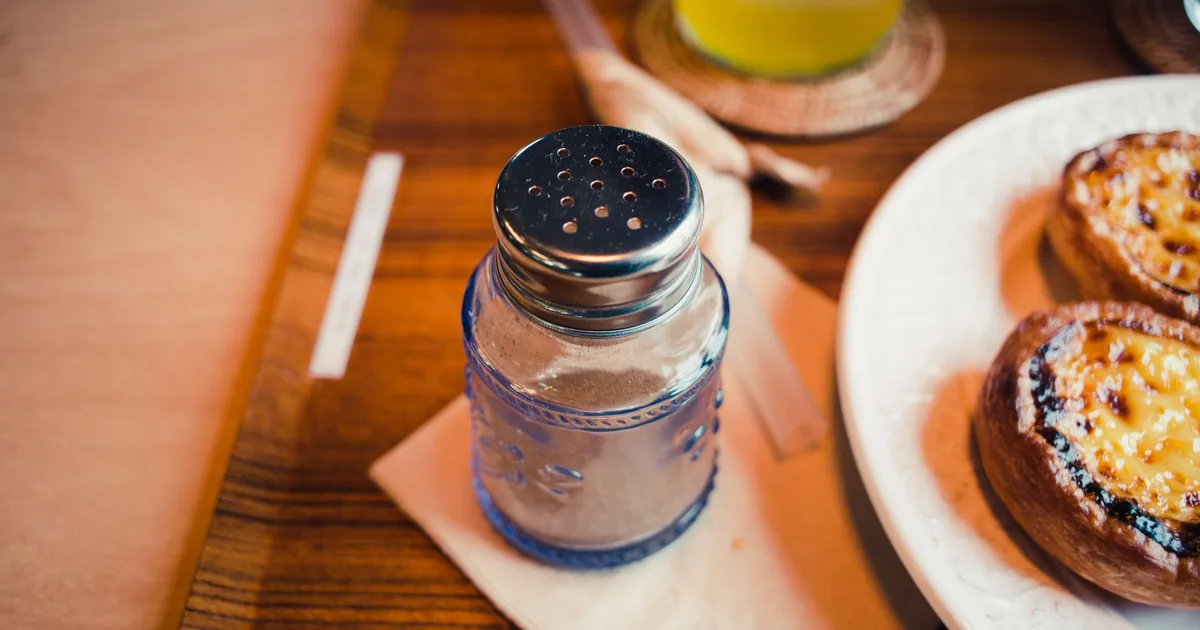
The Reality of Excess Sodium
Average Korean sodium intake is about 3,500mg — 1.7× the WHO recommendation of 2,000mg. Excess sodium raises the risk of hypertension, cardiovascular disease, and stomach cancer.
- •Top sodium source: kimchi and salted seafood
- •Second: soups, stews, and noodle dishes
- •Third: processed foods and eating out
- •Hidden sodium: bread, cereal, and sauces contain plenty too
Where Sodium Hides
| Food | Sodium |
|---|---|
| 1 pack of instant noodles | about 1,800mg |
| 1 serving of kimchi stew | about 2,000mg |
| 1 bowl of jjajangmyeon | about 2,500mg |
| A burger meal | about 1,200mg |
| 2 slices of white bread | about 300mg |
One pack of instant noodles is 90% of the daily recommendation. MSG (monosodium glutamate) contains sodium too.
Practical Ways to Cut Sodium
- •Leave the broth: the easiest move, cuts sodium 50%
- •Check nutrition labels: sodium per serving
- •Choose low-sodium products: low-sodium soy sauce and soybean paste
- •Use natural seasonings: garlic, ginger, pepper, lemon juice
- •Cook at home: far more control than eating out
- •Drink enough water: helps flush sodium
💡
Your palate adapts in 2-3 weeks. Build the habit of eating gradually less salty.

Cutting Sodium When Eating Out
- •Ask for it "less salty"
- •Request sauces and dressings on the side
- •Choose grilled dishes or salad over soup-based meals
- •Go easy on side dishes: especially salted seafood and pickles
- •Rinse your palate with water or tea instead of broth
Potassium Helps Flush Sodium
Potassium helps excrete sodium and supports blood pressure control. Cut sodium while raising potassium.
| Food | Potassium |
|---|---|
| Banana (1) | 420mg |
| Potato (medium) | 900mg |
| Spinach (1 cup) | 840mg |
| Avocado (1/2) | 490mg |
Sweet potato, tomato, and orange are good sources too.
⚠️
With kidney disease, too much potassium can be dangerous. Consult your doctor.
“Taste is a habit. Start eating a little less salty today and in three weeks salty food will feel uncomfortable.”
Sources · WHO guidance